
One of the most brilliant chapters in the history of Malayalam parallel cinema is Thampu (The Tent), directed by G. Aravindan and released in 1978. The film revolves around the arrival of a nomadic circus troupe in Tirunavaya, a serene village on the banks of the Bharathapuzha river, the subtle shifts it causes in the lives of the villagers, and the troupe’s eventual departure.
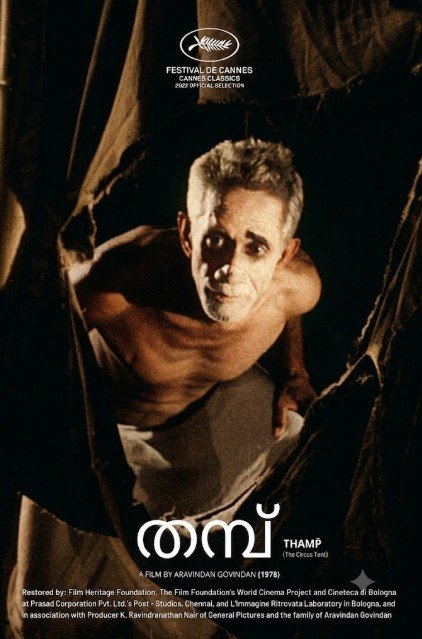
Below are the story summary and a critical review of the film:
Thampu: Story Summary
The film opens with the arrival of the ‘Great Chitra Circus,’ a nomadic circus troupe, in a quiet village on the banks of the Bharathapuzha. As the circus tent rises into the hitherto still village atmosphere, it sparks immense curiosity and excitement among the locals.
The movie depicts events unfolding over three days:
- The Initial Days: Raising the circus tent, promotional parades, and villagers flocking in excitement to watch the show are the key moments. The camera candidly captures the innocent, awe-struck faces of children and adults watching the performances with sheer wonder.
- Inner Lives of Characters: The lens exposes the personal struggles and deep-seated solitude of the circus manager, Panicker (Bharath Gopi), the performers, and the animals. Simultaneously, the narrative traces a young man (Nedumudi Venu) from a wealthy local family who has returned after studying abroad, only to experience profound isolation within his family and surroundings.
- The Departure: After three days of shows, the villagers’ enthusiasm for the circus begins to fade. Their attention shifts toward the local temple festival. Realizing that an empty tent yields no profit, the troupe packs up and leaves for the next village. Seeking an escape from his alienated existence and disillusionment with life in his hometown, the young man boards the circus truck and leaves with them, bringing the film to a close.
Thampu: A Film Review
Introduction
Thampu is a glowing testament to the visionary aesthetic of cinematic genius G. Aravindan. Free from the constraints of a traditional script or dramatic dialogues, Aravindan crafted this film in a purely observational docu-fiction style. Combining Shaji N. Karun’s evocative black-and-white cinematography with Aravindan’s directorial brilliance, the film emerged as an internationally acclaimed masterpiece of Malayalam cinema.
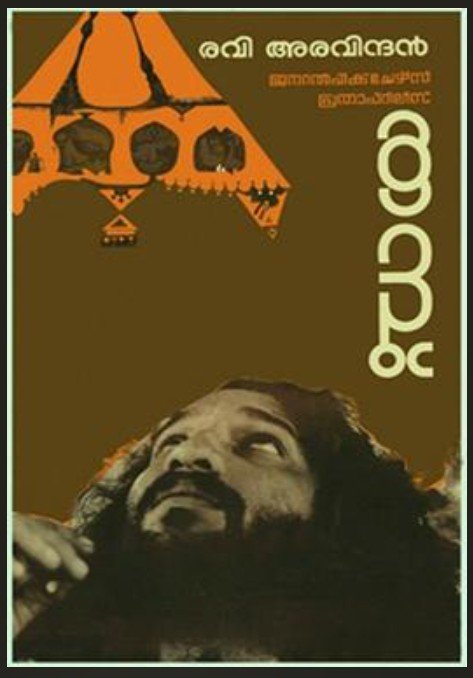
Politics of Transience and Alienation
Thampu primarily engages with the themes of transience and alienation:
- Nomadic Life: The rootless existence of circus artists—they pitch a tent in one place, entertain the audience, and suddenly pack up to move elsewhere, leaving behind nothing but emptiness.
- Expressions of the Audience: The camera unpretentiously captures the raw, unscripted emotions on the faces of the villagers watching the show. This real-time capture of wonder, joy, and fear remains a rare feat in world cinema.
- Modern Alienation: Through Nedumudi Venu’s character, the film eloquently portrays the deep psychological isolation experienced by individuals in modern society.
Critical Significance and Restoration
A defining feature of Thampu is its cast of real-life circus performers and its unscripted, observational shooting style that captured moments as they naturally unfolded. Having won National Film Awards for Best Direction and Best Cinematography, the film was meticulously restored to 4K quality by the Film Heritage Foundation in 2022 and screened in the prestigious ‘Cannes Classics’ section at the Cannes Film Festival.
Thampu offers an immersive experience where the boundaries between art and life blur seamlessly. It gently yet profoundly reminds us that human relationships and life’s transient experiences resemble the very circus tent itself—rising for a fleeting moment, only to be folded away.
For more details: Navamalayalam.com