
Directed by Bharathan with a screenplay by Padmarajan, ‘Thakara’ (1979) is a celebrated classic of Malayalam cinema. Set against a rural backdrop, the film authentically portrays human emotions, guilt, and immature love. Featuring Pratap Pothen, Surekha, and Nedumudi Venu in pivotal roles, here is the plot synopsis and a detailed analysis of the film.
Plot Synopsis
Innocence and Adolescence Turning into Tragedy
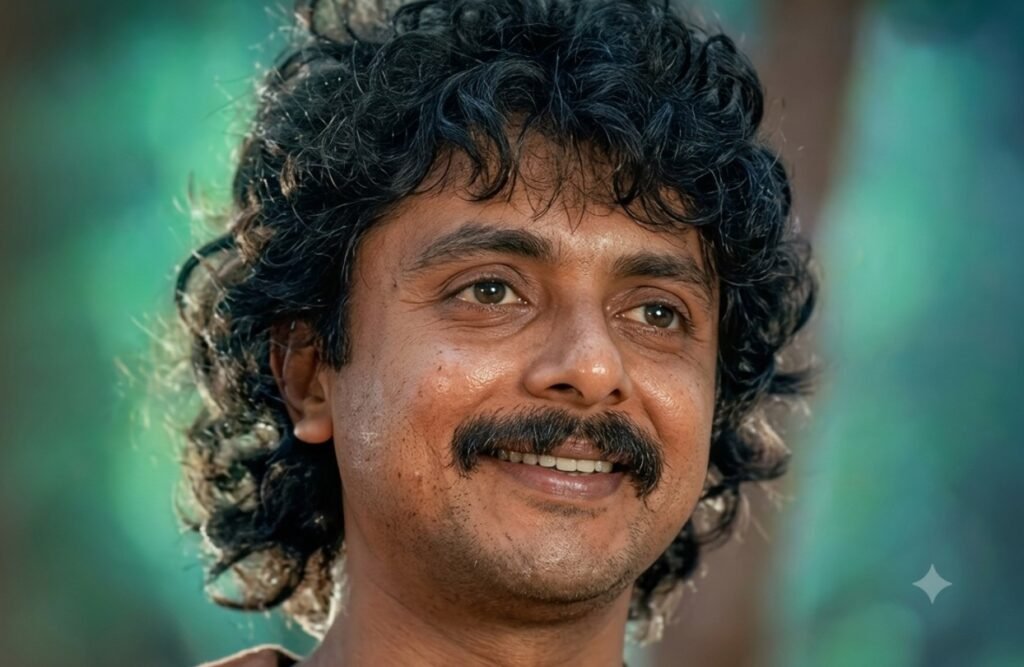
The central character of the film is an orphaned young man with an intellectual disability, whom everyone in the village calls ‘Thakara’ (Pratap Pothen). To the villagers, he is both a figure of fun and a helpful hand.
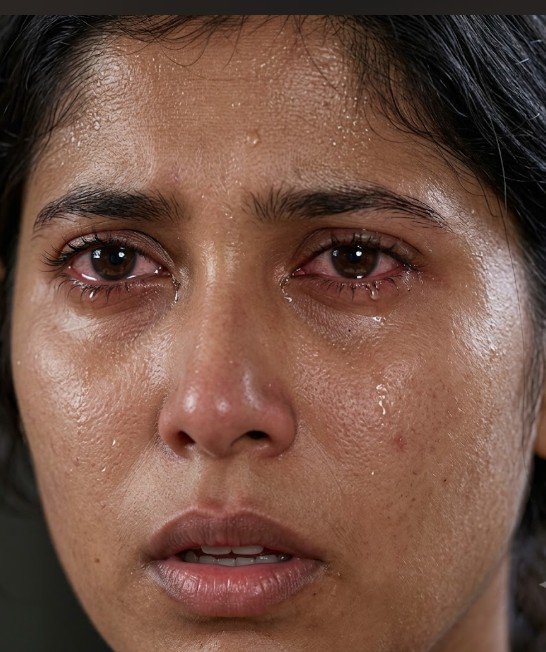
Subhashini and Thakara
Subhashini (Surekha), an ordinary village girl, shows immense compassion and affection towards Thakara. Having lost his mother, Subhashini’s closeness brings great comfort to him. However, driven by the natural emotions of adolescence, the two knowingly or unknowingly become physically intimate.
Chellappan Ashari’s Hypocrisy
Chellappan Ashari (Nedumudi Venu), the local carpenter, enters Thakara’s life under the guise of an advisor. Exploiting Thakara’s innocence to win Subhashini over for himself, Chellappan misguides Thakara onto a dangerous path.
The Tragic Ending
Things escalate when Subhashini’s father and the villagers discover their relationship. Misled by Chellappan Ashari’s instigations and trapped by circumstances, Thakara is driven toward brutal revenge.
Subhashini’s father, Mathu Mooppan (K. G. Menon), brutally assaults Thakara upon learning of the affair, leaving him severely injured. Fueled by a burning desire for vengeance, Thakara escapes, earns enough money to buy a knife, and returns to stab Mathu Mooppan to death.
After killing her father, Thakara asks Subhashini to run away with him, but terrified, she rejects him. Realizing there is no escape, Thakara ultimately jumps in front of a speeding train, bringing his life to a tragic end.
Cinematic Analysis
The Creative Brilliance of the Padmarajan–Bharathan Duo
‘Thakara’ marks one of the earliest milestones in the revolutionary changes brought to Malayalam cinema by the Bharathan–Padmarajan partnership. Their courage to openly depict human sexual urges and psychological complexities without melodrama is remarkable.
- Human Instincts vs. Maturity: The film starkly illustrates the thin line between innocence and lust. The conflict between Thakara’s mental immaturity and his physical maturity forms the core of the narrative.
- Hypocritical Morality: Through the character of Chellappan Ashari, Padmarajan masterfully exposes the deceit and envy hidden behind society’s outward facade of morality.
Performances
- Pratap Pothen (Thakara): Pratap Pothen’s portrayal of Thakara remains one of the finest performances in Malayalam cinema. His dialogue delivery, innocent eyes, and bewildered expressions evoke both empathy and fear in equal measure.
- Nedumudi Venu (Chellappan Ashari): Nedumudi Venu immortalized Chellappan Ashari by seamlessly blending villainy, humor, and duplicity.
- Surekha (Subhashini): Surekha beautifully captured the vulnerability, affection, and ultimate helplessness of a village girl.
Music and Atmosphere
The iconic song “Mauname Nirayum Mauname…”, composed by M. G. Radhakrishnan with lyrics by Poovachal Khadar, deepens the emotional weight of the narrative. Furthermore, Bharathan’s visual storytelling effectively utilizes the rural landscapes of Kerala and Thanjavur to mirror the atmospheric mood of the story.
‘Thakara’ is a profound exploration of how relational imbalances, sexual ignorance, and societal hypocrisy can push an innocent individual into tragedy. Blurring the lines between parallel and mainstream commercial cinema through its visual artistry and thematic boldness, the film remains a timeless masterpiece.
For more details: Navamalayalam.com